





FAQs –Great Migration
What exactly is the Great Migration?
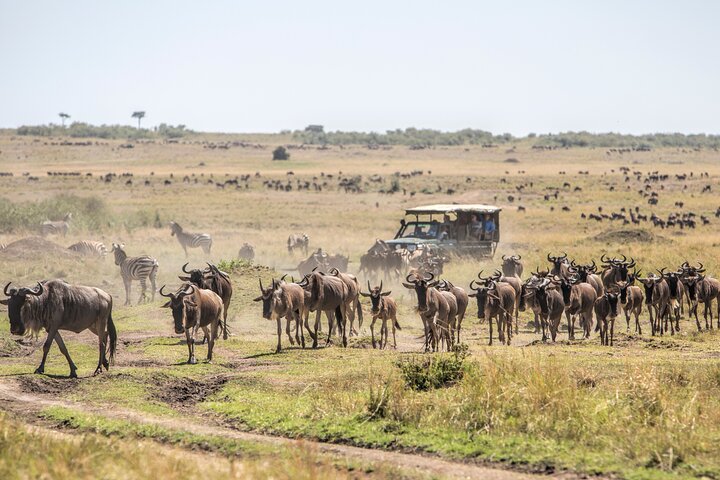
The Great Migration is a year-round circular movement of over 1.5 million wildebeest, thousands of zebras, and antelopes through the Serengeti (Tanzania) and Masai Mara (Kenya) ecosystems. It’s driven by rainfall and grazing patterns, and includes dramatic moments like Mara River crossings, Grumeti River crossings, and the calving season in Ndutu.
This phenomenon is considered the greatest wildlife show on Earth.
What is the best time to see the Great Migration?
It depends on what moment you want to witness:
River Crossings (Masai Mara, Kenya): July–October
Calving Season (Ndutu, South Serengeti): December–March
Central & Western Serengeti Herd Movements: April–June
Serengeti North (Mara River Tanzania): August–October
Each season offers a unique type of wildlife action.
For the classic “National Geographic moments,” July–October is ideal.
Where do the famous river crossings happen?
Two major crossing points exist:
1. Mara River (Kenya & Tanzania) – July to October
This is where thousands of wildebeest leap into crocodile-filled waters.
2. Grumeti River (Western Serengeti) – May to June
These crossings are quieter and less crowded but still dramatic.
Divine Travel Nest Safaris positions guests in lodges closest to active crossing points, improving your chances of witnessing the action.
Are river crossings guaranteed?
No — crossings depend on herd behavior, weather, river water levels, and predator pressure.
However, by choosing the right region at the right time, you significantly increase your chances.
Our guides use real-time herd updates to improve success rates.
Is the Great Migration better in Kenya or Tanzania?
Both countries offer outstanding experiences—but different ones:
Both countries offer outstanding experiences—but different ones:
Kenya (Masai Mara):
Best for river crossings (July–October)
Compact area = higher wildlife density
Excellent big-cat sightings
Tanzania (Serengeti):
Best for calving season (Dec–March)
Massive open plains
More varied stages of the Migration
For the complete experience, many travelers combine Kenya + Tanzania.
How many days do I need for a Great Migration safari?
The ideal length is 5–7 days, allowing enough time to follow the herds, wait for crossings, and explore the surrounding ecosystem.
Shorter trips (3–4 days) are possible but may limit your chances for river-crossing sightings.
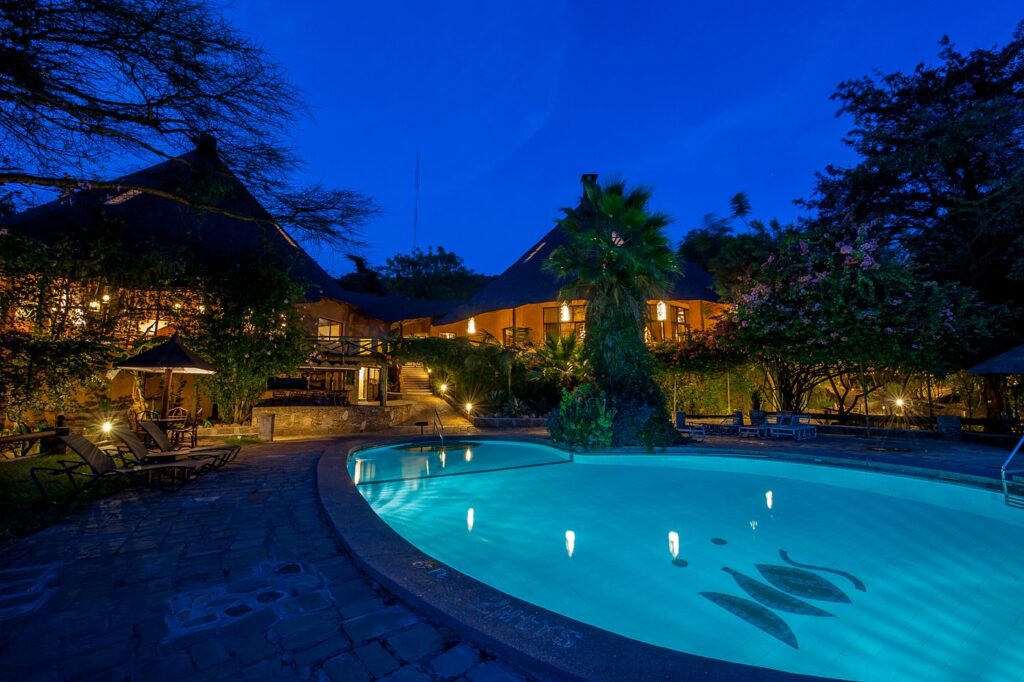
Which lodges are best for watching the Great Migration?
We recommend staying near the predicted herd path:
Masai Mara (Kenya):
Entim Mara, Mara Serena, Ashnil Mara, Governors’ Camp, Mara Explorer
Northern Serengeti (Tanzania):
Sayari Camp, Lemala Kuria, Serengeti Mara Camp
Ndutu (Calving Season):
Ndutu Safari Lodge, Lemala Ndutu, Mobile Migration Camps
We match guests to the best camp for their travel month.
What kind of wildlife can I expect to see?
Aside from millions of wildebeest and zebras, expect:
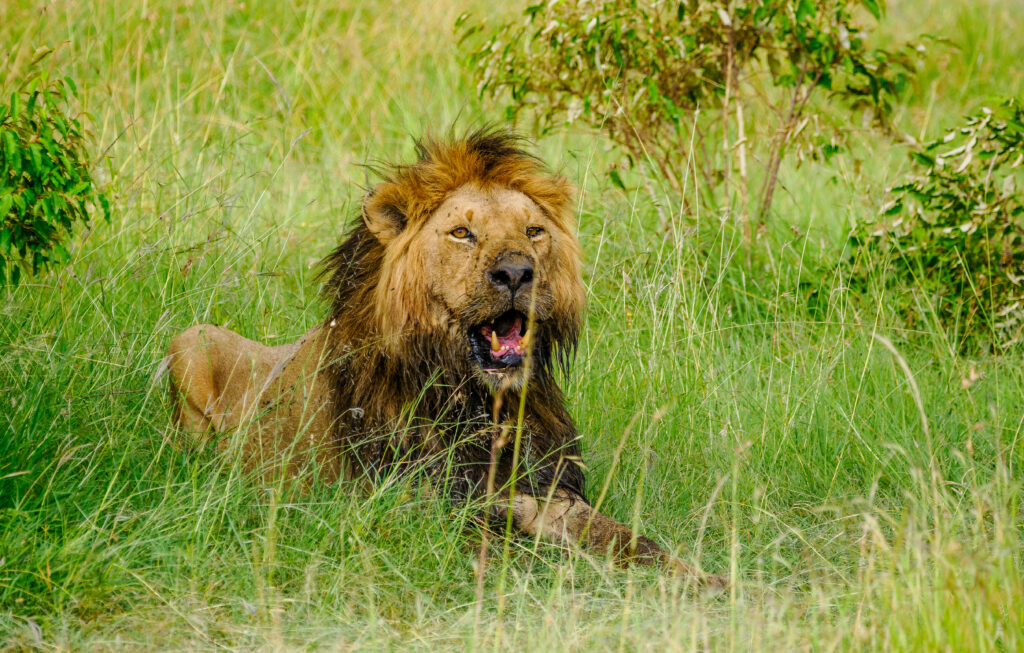
Lions stalking herds
Crocodile ambushes at crossings
Hyena clans
Cheetah hunts
Leopards in riverine forests
Caracals, jackals, and vultures
Endless plains game
The Migration offers unparalleled predator–prey interaction.
Is the Great Migration suitable for families or younger children?
Yes — but we recommend:
Family-friendly lodges
Shorter game drives
Private safari vehicles
Early morning and late afternoon viewing
Many lodges offer babysitting, kids’ programs, and family tents.
How far in advance should I book a Great Migration safari?
For peak season (July–October), book 8–12 months in advance, especially for camps near crossing points.
For calving season and off-peak Serengeti travel, 4–6 months is sufficient.
What type of vehicles are used during the Migration safaris?
We use:
4×4 Land Cruisers with pop-up roofs
Extended wheelbase for comfort
Guaranteed window seats
Charging points / fridges / binoculars
Ideal for photography and long game drives
Private vehicles are available upon request.
Can I photograph river crossings easily?
Yes, but timing is crucial.
Crossings happen suddenly and unpredictably — sometimes lasting minutes, sometimes hours.
Our guides position vehicles strategically, offering:
Upwind positions for better light
Front-row vantage points
Stable platforms for big lenses
We also offer dedicated photography safaris.
What should I pack for a Great Migration safari?
Essentials include:
Neutral-colored safari clothing
Sun protection
Binoculars
Fast camera lenses (if photographing)
Lightweight jacket
Refillable water bottle
Good closed shoes
We send a full packing checklist before your trip.
How does Divine Travel Nest Safaris track the Migration?
We use a multi-layer system:
Real-time ranger & guide network
Lodge location reports
Herd movement trackers
Weather updates
Seasonal predictions
This ensures you’re always in the right place at the right time.
Can I combine the Great Migration with other East Africa destinations?
Absolutely — popular combinations include:
Masai Mara + Serengeti + Ngorongoro Crater
Masai Mara + Amboseli (elephants + Kilimanjaro)
Serengeti + Zanzibar (beach extension)
Kenya + Uganda gorilla trekking
We customize all itineraries to your interests, timing, and budget.
